
Project Highlights
- Designed and provided construction support services for the WESF modifications to prepare and install the cask storage system equipment for loading operations.
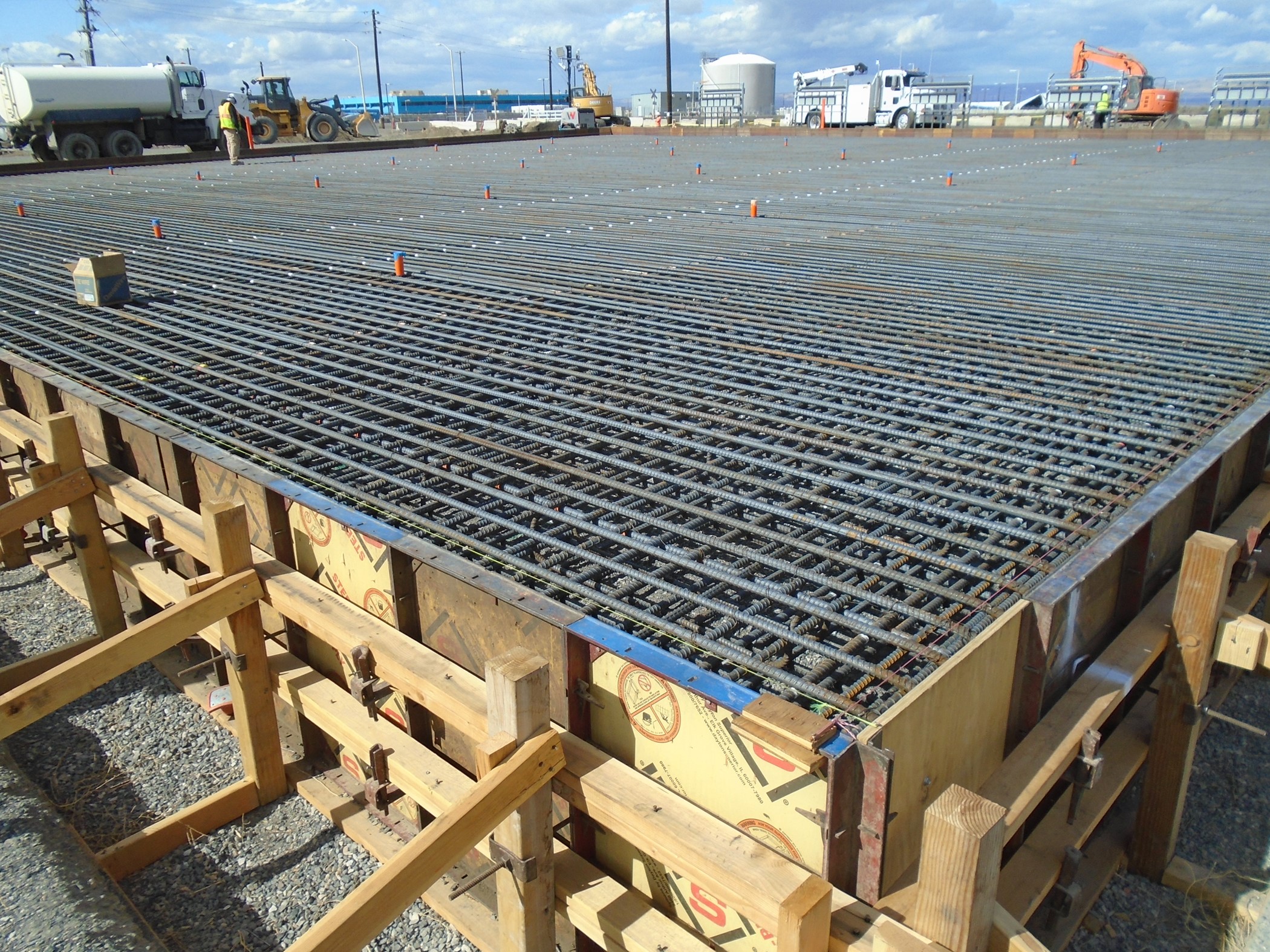
- Designed and provided construction support services for the capsule storage area, including a cask storage pad with associated monitoring equipment, along with a haul path road.
Project Description
Sargent & Lundy provided preliminary engineering design, detailed engineering design, and construction services for safely transitioning 2,000 radioactive cesium and strontium capsules within the Hanford Site’s WESF from underwater storage to a new dry-storage facility. The capsules were previously recovered from Hanford’s waste storage tanks from 1974 to 1985 and stored 13 feet underwater. The project team expects dry storage to increase long-term safety and save up to $6 million a year in operating costs by enabling WESF deactivation.
Major project activities included retrieving the capsules from the pool cells, packaging the capsules into a cask storage system, and transferring the casks to a new capsule storage area. The design and construction required modifying the WESF to install the cask storage system equipment for loading operations. Sargent & Lundy also designed and supported the new capsule storage area’s construction phase, including the cask storage pad, associated structures, and a haul path road.
Sargent & Lundy worked with multiple subcontractors and Hanford Site organizations during the design and construction, including WESF Operations, Hanford Electrical Utilities, the Hanford Water Purveyor, Hanford Fire Department, Hanford Site Security, Hanford Roads, and Hanford Site Railway. The firm managed and performed design integration to ensure deliverables complied with each organization’s requirements.
Project Scope
As the designer of record, Sargent & Lundy worked closely with the client and local organizations during the preliminary engineering design phase to evaluate the most efficient and optimal design solutions to this complicated project. The team conducted field investigations, identified utility tie-in locations, assessed constructability, and held 30%, 90%, and final design reviews in this phase. The firm performed a ventilation study early in the preliminary design phase to evaluate alternatives for modifications to the HVAC system and worked closely with a geotechnical contractor to design the capsule storage area concrete pad.
Project stakeholders and an independent outside agency reviewed the designs, and each engineering discipline sealed all design media. The firm produced nearly 250 deliverables including detailed designs for the capsule storage area and WESF modifications.
The resulting 1,500-page construction cost estimate contained detailed information and the basis for each line item, including vendor quotes. The U.S. Department of Energy reviewed the estimate and praised its high quality and thoroughness.
During the capsule storage area and WESF modification construction phases, Sargent & Lundy assisted in bid package preparation, pre-bid meetings, and supported the project during the construction bid cycle. During construction, the firm responded to requests for information, reviewed construction submittals, dispositioned non-conformance reports, prepared design change notices, and worked closely with the construction contractor to resolve issues. An on-site Sargent & Lundy engineer observed and approved all key components outlined in the design and construction verification plan to provide higher level assurance that the construction team performed the work in accordance with contract drawings and specifications. The firm also maintained the red-lined construction drawings and specifications records, which were updated in real time to incorporate design change notifications, RFIs, and other field redlines.
Read more about our architect/engineering services for Department of Energy
