
Project Highlights
- First large-scale carbon capture project to be issued a permit to construct by the North Dakota Department of Environmental Quality.
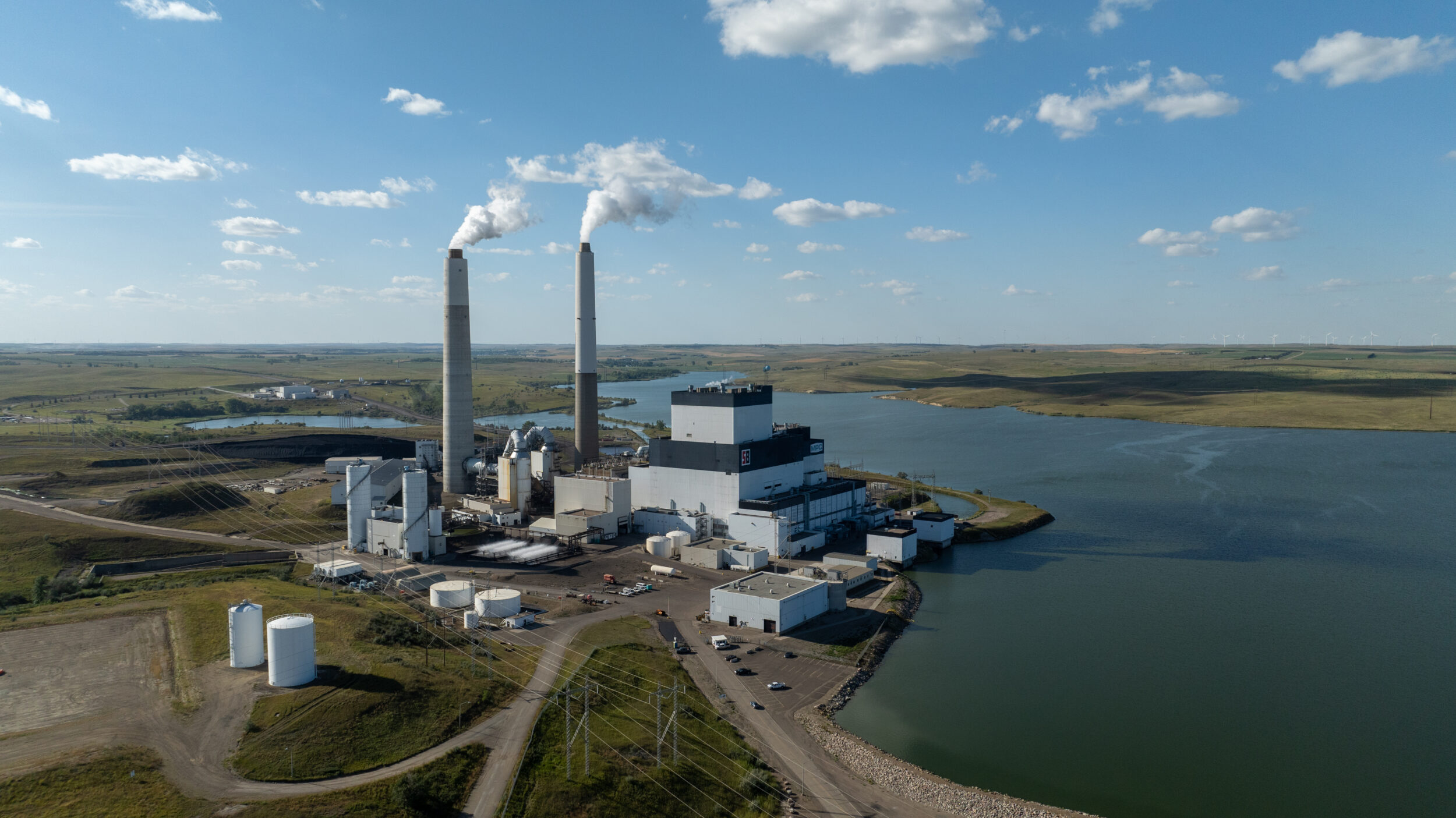
- Designed to capture up to 13,000 tons per day of carbon dioxide from the flue gas of the adjacent coal-fired Milton R. Young Station power generation facility.
- Required a case-by-case maximum achievable control technology determination.
Project Description
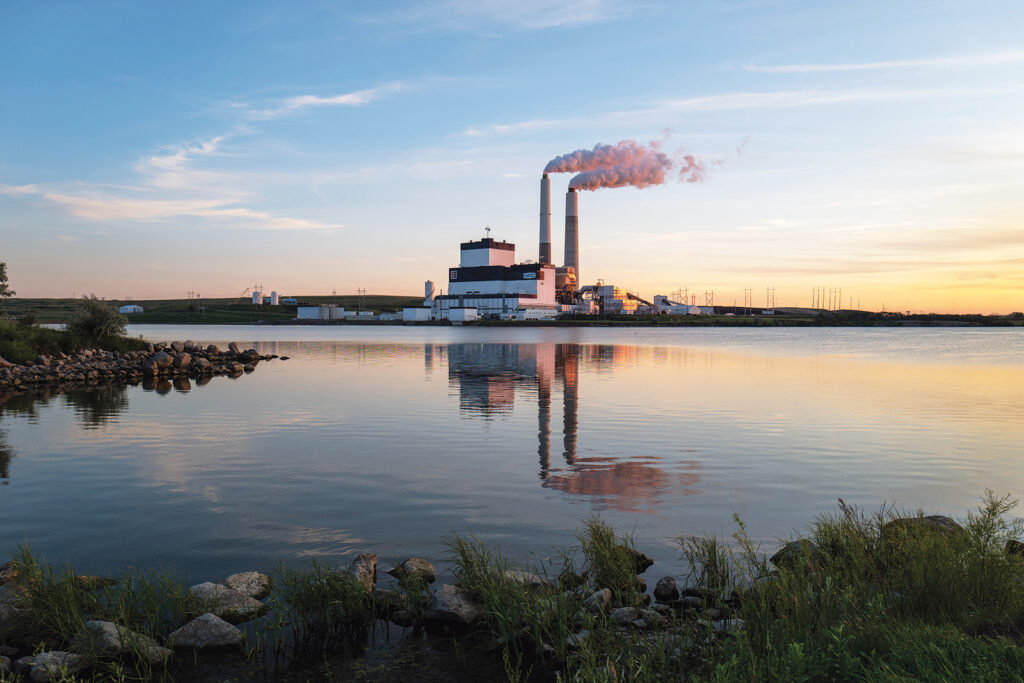
Project Tundra will capture and store up to 4 million metric tons of CO2 annually from the adjacent Milton R. Young Station power generation facility. When completed, it will be one of the largest CO2 capture projects in the world and use the largest fully permitted CO2 storage facility in the U.S. The CO2 will be injected into deep geologic formations about a mile underground for safe, permanent storage.
Project Scope
Sargent & Lundy developed the air-quality construction permit application to obtain the necessary state approvals to proceed with the project.
The approvals were based on reviews of its prevention of significant deterioration, hazardous air pollutant thresholds, and maximum achievable control technology standards. The permit application included the following components:
- Project description.
- Project emissions calculations and new source review applicability determination.
- Regulatory review.
- Case-by-case MACT determination.
- Ambient air quality impact analysis.
- Air toxics analysis.
The air-quality construction permit was granted in December 2023 after a seven-month review process.
Read more about our conventional power, decarbonization, and environmental services.
