About Us

Quality
We provide high-quality deliverables and services through an uncompromising focus on peer review, safety, and continuous improvement.

Accountability
Our actions demonstrate the highest levels of professionalism, integrity, and respect.

Our People
We value diverse perspectives, encourage professional growth, and are committed to providing a work community where people thrive. Our work is challenging but rewarding.


Our Clients
We deliver value and exceed our clients’ expectations through outstanding customer service, personal accessibility, and clear communication.

Innovation
We invest in the people, training, tools, and technology needed to be a leader in a constantly changing world.

Meaningful Impact
We strive to make a positive impact in the communities where we work and live.
Every decision we make is guided by our core values. By upholding these six principles, we support our clients, employees, and communities. They are the compass we follow as we continue to grow our business and lead the industry.
Safety

Safety is at the core of all we do. At work, at home, at play, in the office, or in the field, we believe that all incidents are preventable. Our People Matter Most philosophy informs every decision we make to protect our personal health and safety and that of our colleagues, our partners, and our communities.
Safety Program
Our safety program provides training in job hazard analysis to identify potential risks and how to address them through the appropriate use of protective equipment. From proper desk ergonomics to potential fall protection, our safety program covers a range of hazards and emphasizes eliminating incidents at all levels as individuals and as a team.
Our people-focused approach has built a safety-centric culture throughout our offices, project sites, and beyond. Zero lost hours is our goal, eliminating incidents is our purpose.

Technical Expertise and Innovation
At Sargent & Lundy we live on the cutting edge, illuminating the most difficult technological challenges of our day and creating real-world solutions. Our company began by electrifying the Midwestern United States, and our current zeal for innovation in frontier technologies like carbon capture, small modular nuclear reactors, and hydrogen keeps us at the forefront of the industry and the global conversation.
Owned and Led by Engineers
Our passion for quality, accountability, and good work is rooted in the people who own and manage our company – the dedicated engineers of Sargent & Lundy. Our engineer owners create a culture of technical excellence and continuous improvement that helps all our people thrive.
A Highly-Accomplished Workforce
We continue to build on the experience of our generations of engineers and technical experts by hiring the best and nurturing their careers so they can be their best. Nearly 75% of our employees are engineers or designers, holding degrees from over 650 colleges and universities worldwide.
Guiding the Industry
- Our employees serve on over 300 national code committees and industry compliance organizations, including the American Society of Mechanical Engineers, American Concrete Institute, American Institute of Steel Construction, American Nuclear Society, American Society for Testing and Materials, Institute of Electrical and Electronics Engineers, International Society of Automation, and National Fire Protection Association, among others.
- Our employees hold over 80 leadership roles as chair, vice chair, or officer on the above committees.
- We invest in and provide leadership to power industry conferences and seminars throughout the world.
- The industry recognizes us as a leader in state-of-the-art technical training.
Quality
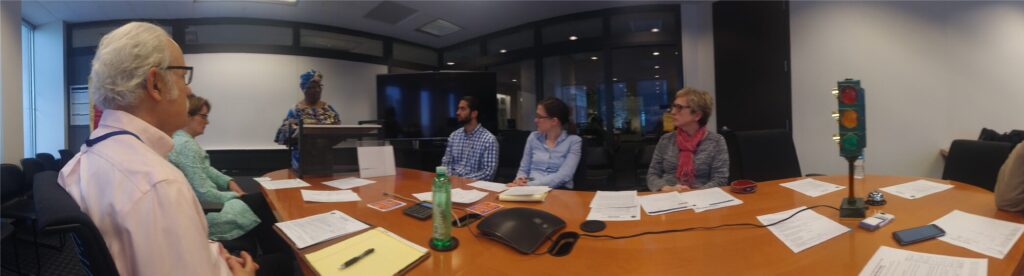
Quality has been tightly woven into the fabric of Sargent & Lundy’s culture for more than a century. Consistently providing work that meets or exceeds customer expectations is at the core of all we do. Our system of procedures, qualifications, and commitment to continuous improvement sets us apart and has resulted in our long history of successful and innovative industry firsts.
Quality is Ingrained in Everything We Do
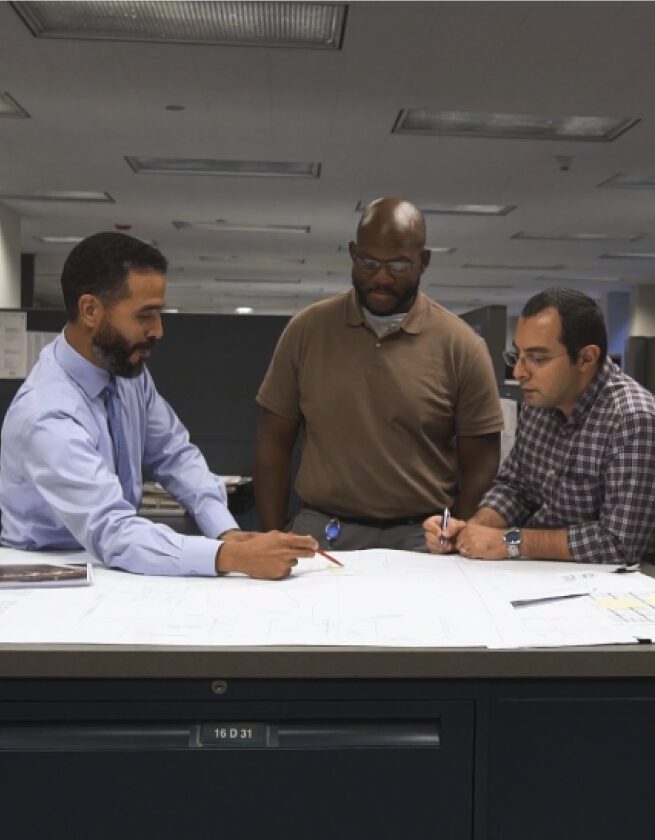
By mapping out specific processes and reviews, our work across the entire firm must meet the highest industry benchmarks. This is backed up by ISO 9001 quality management standards that are independently audited and certified for compliance on an ongoing basis.
Our comprehensive approach is built around a uniform set of standard operating procedures outlining steps to be followed and overseen by a quality council chaired by the CEO. The system mandates accountability through a system of processes, advances continuous improvements, establishes quality indicators, and requires reviews at key project milestones.
To maintain the system’s effectiveness, our staff is encouraged to take an active role in contributing to the overall improvement of all our client deliverables along with our own internal methods and procedures. The performance improvement process is a key element of our overall quality system that engages employees and offers an opportunity to learn from past projects.
Our emphasis on quality results in exceeding customer expectations in our deliverables, developing talent to become industry leaders, and an overall commitment to push ourselves to do better every day. That dedication has served our clients’ needs for over a century and will propel us into the future.
A Culture of Meaningful Impact
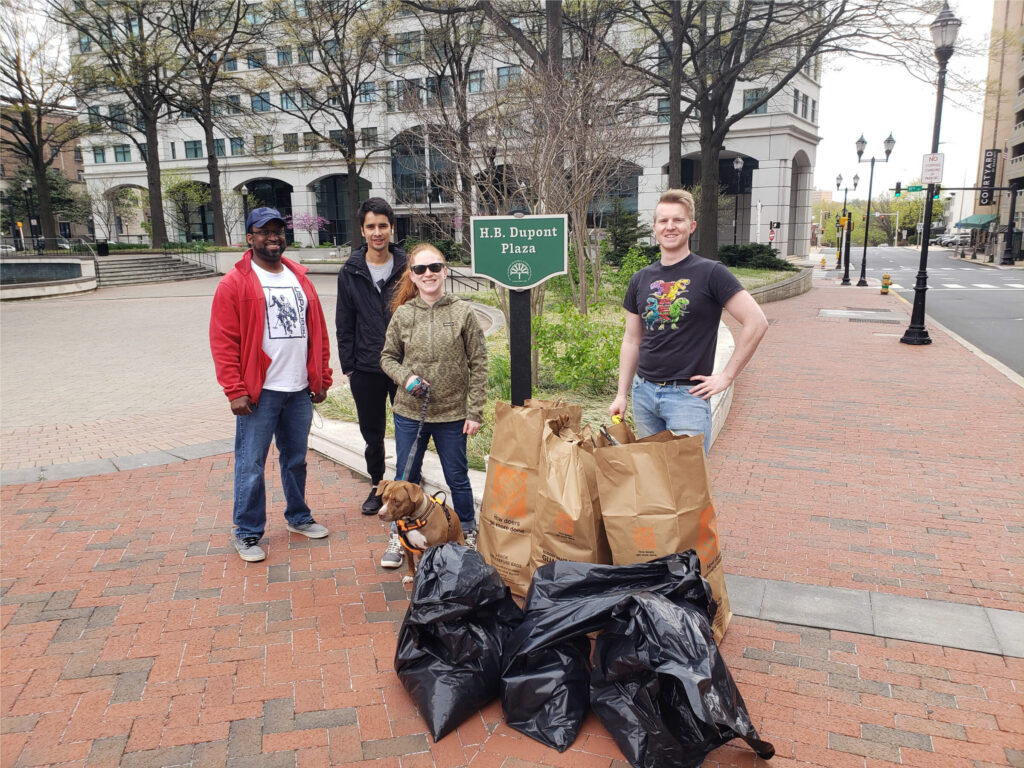
Our employees are change-makers, both at work and in the community, and our dedication shines through both corporate initiatives and personal efforts.
Education Outreach and Mentorship
We depend on the next generation of engineers to help create a brighter future. We support education at all levels through scholarships, mentorships, and extracurricular enrichment to help students imagine and achieve their goals.
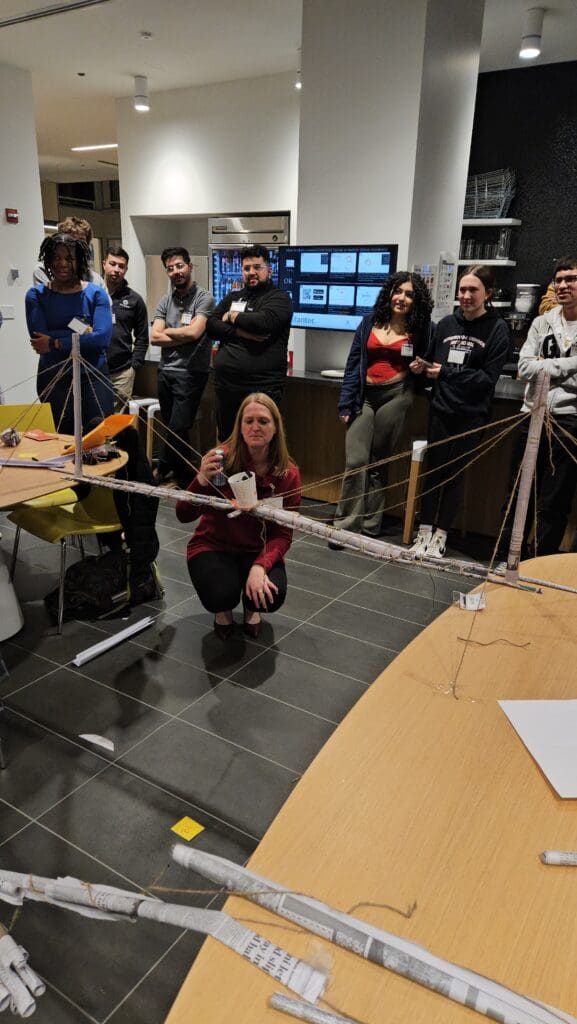
For over a decade, we have sponsored the ACE Mentor Program, a free afterschool program that gives high school students real-world experience in the architecture, construction, and engineering industries.
Our staff are mentors, advisors, and board members, actively engaging with students and sharing real-world expertise. We also help fund other programs and activities, including scholarships, internships, and community design projects.
We extend our commitment to education by sponsoring scholarships at universities across the U.S., including the University of Illinois at Urbana-Champaign, the University of Illinois at Chicago, the University of Cincinnati, Marquette University, and the University of Puerto Rico-Mayaguez. We contribute to educational infrastructure at our pipeline universities, supporting major renovations and design projects. Notable examples include our sponsorship of the University of Illinois Urbana-Champaign’s new engineering lab and the Campaign to Transform University of Illinois’s Mechanical Engineering Building, as well as donations we’ve made to STEM organizations at institutions such as the University of Puerto Rico-Mayagüez.
Designing a Better Community
Since 1998, we have given over $9.8 million to United Way. Our donations have supported charities across the country and earned us their Top 25 Corporate Citizen recognition every year since 2010.
We serve children in need by partnering with the Boys & Girls Clubs of Chicago. To date, we have raised over $825,000 for the nonprofit.
Additionally, in 2023, we became the first company to join the Nuclear Innovation Institute as a “Supporter,” strengthening the organization’s ability to deliver community programming such as STEM education classes, local environmental projects, and skilled trades development.
Supporting Causes Our Employees Care About
We are passionate about the causes our employees support and offer a charitable giving and matching platform that allows our employees to donate to any 501(c)(3) organization personal to them. Our generous matching support makes their donation go further.
We also support employee-led charitable initiatives throughout our offices, including clothing and school supply drives, food donations, fundraisers for local nonprofits, building homes for Habitat for Humanity, and more.
Leadership
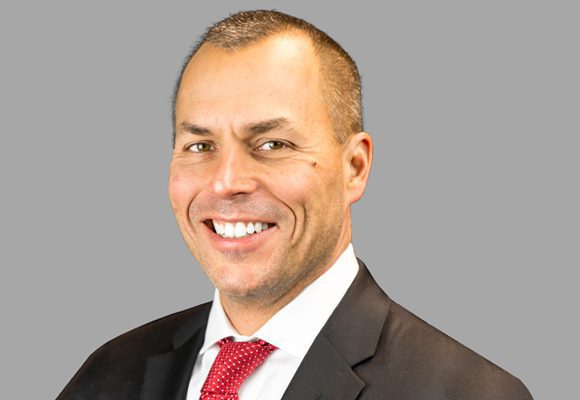
Victor Suchodolski
Chairman, President & Chief Executive Officer
Victor Suchodolski
Chairman, President & Chief Executive Officer
Industry and Civic Involvement
- Board of Directors Nuclear Energy Institute
- Pennsylvania Society of Professional Engineers
- United Way Tocqueville Society
Education
- B.S. in Electrical Engineering from Villanova University, Villanova, Pennsylvania
- MBA from Villanova University
Professional Registrations
- Licensed Professional Engineer – Connecticut, Pennsylvania, Virginia
Victor Suchodolski took over the leadership of Sargent & Lundy in January 2023, having served previously as the executive vice president of Sargent & Lundy’s electrical grid infrastructure services, and senior vice president & project director.
Suchodolski joined Sargent & Lundy in 1997 as an electrical project engineer and held roles of increasing levels of responsibility in power plant and electrical grid design, engineering, and project management. Early in his career at the firm, Suchodolski supported Sargent & Lundy’s nuclear power business through multi-disciplined project work including power uprate, security, and reliability-focused modifications. He also served as the responsible engineer for the electrical design on simple cycle peaker unit projects for the firm’s energy and industrial projects.
During Suchodolski’s tenure as a project director, he was responsible for managing relationships with a diverse client base who teamed with Sargent & Lundy in pursuit of projects in the transmission, distribution, substation, renewable energy, and nuclear power space. In 2011, he was promoted to senior vice president with oversight of both power delivery and nuclear power projects. During that period, he managed the firm’s regional offices in Wilmington, Delaware, and Chattanooga, Tennessee. More recently, he was responsible for the firm opening and expanding offices in New Jersey, Maryland, Florida, Indiana, North Carolina, Texas, Virginia, and Puerto Rico.
In his role as executive vice president, Suchodolski was responsible for the overall management of the firm’s efforts related to power transmission and distribution, substation design, battery energy storage, renewable interconnects, and grid modernization.
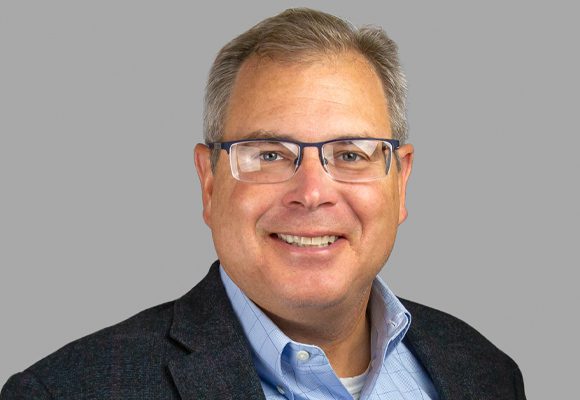
Chuck Beitel
Senior Vice President & Director of Energy & Industrial
Chuck Beitel
Senior Vice President & Director of Energy & Industrial
Industry and Civic Involvement
- American Society of Mechanical Engineers – Lifetime Member
- Southeastern Construction Owners and Associates Roundtable (SCOAR)
- University of Missouri Columbia Alumni Associate Lifetime Member
Education
- B.S. in Mechanical Engineering from the University of Missouri Columbia
Registrations
- Licensed Professional Engineer – Arkansas, Missouri, South Carolina, Michigan
Chuck Beitel is a senior vice president and director of the firm’s non-nuclear power generation, environmental, oil and gas, and industrial services. He is responsible for the overall management of the firm’s projects in conventional power generation; waste-to-energy; air, water, and solid waste environmental management; carbon sequestration; upstream, midstream, and downstream oil and gas; and multi-discipline industrial projects for both domestic and international clients.
His career encompasses more than 28 years of experience in the power industry, including engineering and project management for new power plant designs for coal, natural gas combined cycle, hydrogen generation, carbon capture, and several reciprocating internal combustion engine power plants. He has extensive experience with large-scale fossil plant environmental retrofits, including selective catalytic reduction, flue gas desulfurization, dry sorbent injection, mercury control, and a variety of plant betterment services for power and heavy-industrial clients. He has worked as a field engineer on multiple large-scale power generation project construction sites. As a project director, he has responsibility for all technical and commercial aspects of the firm’s relationships and project portfolios with numerous southeastern and midwestern clients.
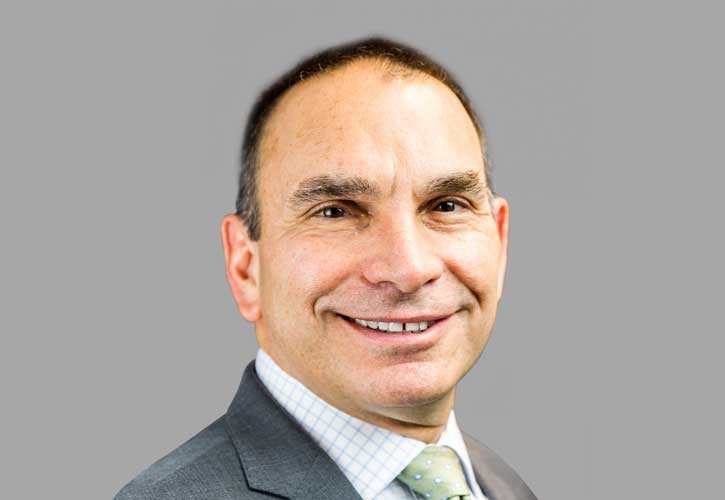
Joe DiCola
Senior Vice President & Chief Financial Officer
Joe DiCola
Senior Vice President & Chief Financial Officer
Industry and Civic Involvement
- Western Society of Engineers
- The Washington Award, Chicagoland Engineering Awards Benefit
- University of Illinois Mechanical Engineering Building Campaign
- United Way Tocqueville Society
Education
- B.S. in Mechanical Engineering from the University of Illinois Urbana-Champaign
- MBA from the University of Chicago
Professional Registration
- Licensed Professional Engineer – Illinois
As Sargent & Lundy’s chief financial officer, Joe DiCola directs all facets of the firm’s global finance organization. Appointed CFO in 2017, he oversees financial planning and analysis, corporate and project accounting, treasury, tax, and administration of the firm’s defined benefit plan.
DiCola joined Sargent & Lundy in 1995 as a financial analyst. His dual background as a licensed Professional Engineer and an MBA helped him align financial strategy with complex technical project delivery. Over three decades he has held progressively responsible financial leadership roles supporting the firm’s growth. His work supports resilience and strategic investment across the firm’s infrastructure portfolio, including the acquisitions of Summit Engineering Services, Inc, and ARES Corporation’s Energy Services Division.
He also supports engineering education and the profession through philanthropic initiatives, including the campaign to transform the University of Illinois Mechanical Engineering Building into a state-of-the-art facility for students and researchers.
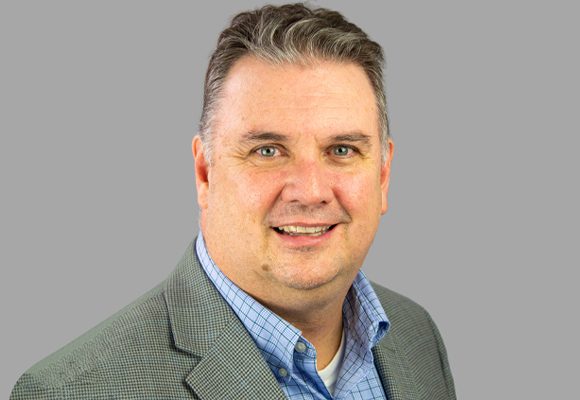
Thomas Foley
Senior Vice President & Director of Grid
Thomas Foley
Senior Vice President & Director of Grid
Industry and Civic Involvement
- Ohio State University – Nuclear Engineering Board
- Philadelphia Chamber of Commerce – Business on Board Program
- United Way Tocqueville Society
Education
- B.S. in Electrical Engineering from Penn State University
- MBA from Saint Joseph’s University
Professional Registrations
- Licensed Professional Engineer – California, Connecticut, District of Columbia, Florida, Illinois, Maryland, New Jersey, New York, North Carolina, Pennsylvania, Rhode Island, Virginia
Tom Foley is the senior vice president and director of Sargent & Lundy’s grid services. In this role, he is responsible for the overall management of the firm’s efforts related to power transmission and distribution, substation design, battery energy storage, electric vehicle infrastructure, renewable interconnects, and grid modernization.
Foley joined Sargent & Lundy in 2016 as a vice president and project director, helping the firm’s grid business more than double its operations throughout the U.S. during his tenure. He has also led Sargent & Lundy’s interface with multiple clients along the East Coast.
Prior to joining the firm, Foley was the CEO of Altran North America and head of Altran’s global energy practice. He joined Altran in 2002 as part of its acquisition of Stratus Engineering, where he was a minority owner. Earlier in his career, Foley worked for Stone & Webster with assignments in transmission and distribution and large fossil-fueled power plants in addition to a three-year assignment at the PSE&G Salem/Hope Creek Nuclear Power Plant site.
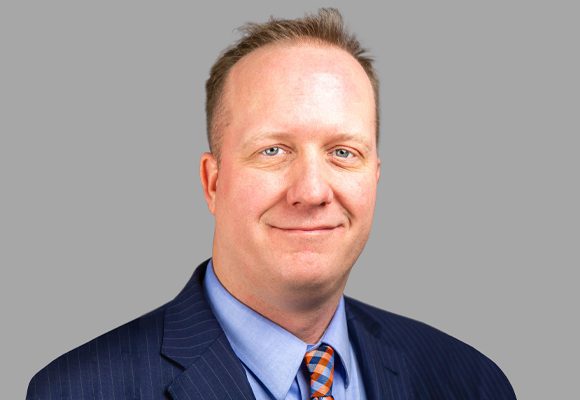
Vince Heinz
Senior Vice President & Director of Consulting
Vince Heinz
Senior Vice President & Director of Consulting
Industry and Civic Involvement
- Institute of Electrical and Electronics Engineers
- Colegio de Ingenieros y Agrimensores de Puerto Rico
Education
- B.S. in Electrical Engineering from the University of Illinois Urbana-Champaign
Professional Registrations
- Licensed Professional Engineer – Florida, Georgia, Illinois, Kansas, Michigan, Missouri, North Carolina, Puerto Rico
Vince Heinz is the senior vice president and director of Sargent & Lundy’s energy consulting business. He is responsible for the overall management and direction of the firm’s domestic and global engagements spanning development planning, independent and owner’s engineering due diligence evaluations, operations and maintenance support for all renewable power, thermal power technologies, and transmission and distribution planning.
Heinz joined Sargent & Lundy in 2001 as an electrical engineer supporting the firm’s energy and industrial projects and later made the transition to project management supporting transmission and distribution, grid modernization, and renewable power technologies. Heinz is also responsible for the firm’s continued support of the transmission and distribution reconstruction, grid modernization, and transition to renewable energy in Puerto Rico and played a central role helping the firm open two offices on the island.
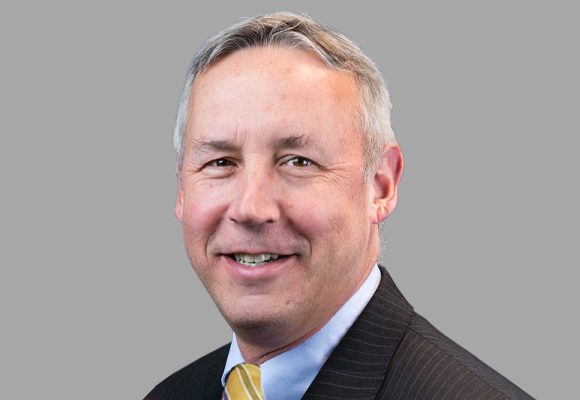
Michael Helminski
Executive Vice President, Finance & Legal
Michael Helminski
Executive Vice President, Finance & Legal
Education
- B.S. Mechanical Engineering from Marquette University, Milwaukee, Wisconsin
- MBA from Loyola University, Chicago
- JD from Chicago-Kent College of Law – Illinois Institute of Technology
Professional Registrations
- Member of the Bar in Illinois and Wisconsin and with the United States Patent and Trademark Office
Michael Helminski has more than 41 years of experience at Sargent & Lundy, including more than 10 years as general counsel and five years as chief financial officer. Currently, the general counsel and chief financial officer report to him and he is responsible for the overall management of the financial and legal areas of the company.
Previous leadership positions include serving as the firm’s commercial manager. In this position he was responsible for all contracts, including client contracts, EPC contracts and joint venture agreements. He has also been directly involved in the firm’s business insurance and risk management process for more than 20 years.
Helminski joined Sargent & Lundy in 1982. Early in his career, he was involved in various engineering projects primarily on nuclear power plants.
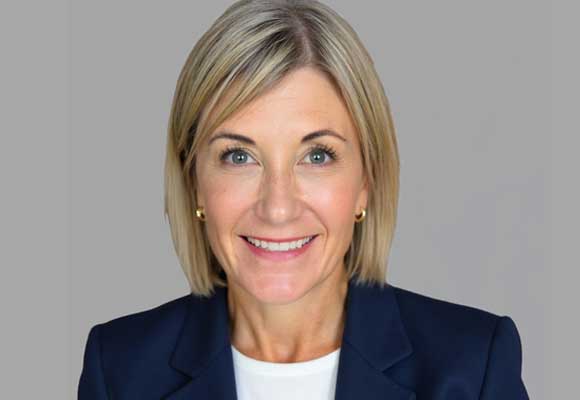
Jill Liska
Senior Vice President, General Counsel & Director of Legal Services
Jill Liska
Senior Vice President, General Counsel & Director of Legal Services
Industry and Civic Involvement
- President, Touhy Park Advisory Council, Chicago, Illinois
Education
- B.S. in Civil Engineering from University of Minnesota
- MBA from the University of Notre Dame
- JD from Mitchell Hamline School of Law, St. Paul, Minnesota
PROFESSIONAL REGISTRATIONS
- Licensed Professional Engineer – Minnesota
- Admitted to practice law in the Supreme Court of Illinois and the U.S. Supreme Court
Jill Liska is the leader of Sargent & Lundy’s commercial, procurement, and legal teams. Her expertise guides the firm’s successful management of risk, corporate insurance, litigation, contracts, and outside counsel. Her direction of the legal department influences Sargent & Lundy’s overall strategy.
Liska served as an associate attorney at Robbins Schwartz and an engineer for the Minnesota Department of Transportation prior to joining Sargent & Lundy’s legal team in 2006. She was promoted to vice president in 2013, at which point she became responsible for the firm’s legal, commercial, and procurement groups. Sargent & Lundy named her a senior vice president in January 2020.
Liska monitors developing legislation at local, national, and international levels. She develops internal policies and procedures for Sargent & Lundy, including use of intellectual property, unmanned aircraft, and conflicts of interest and ethics. She interprets various domestic and international regulations and license requirements, negotiates leases, supports acquisitions and due diligence efforts on commercial matters, advises HR, and manages the legal team’s budget.
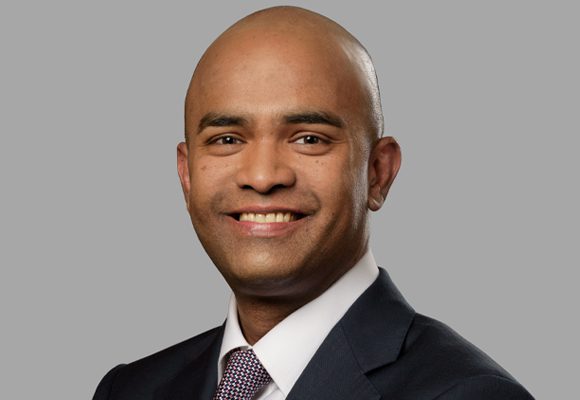
Kuldip Mohanty
Senior Vice President & Chief Technology Officer
Kuldip Mohanty
Senior Vice President & Chief Technology Officer
Industry and Civic Involvement
- Executive Service Corps of Chicago, Board Member
Education
- Master’s degree in computer applications from Jorhat Engineering College, Assam, India
- MBA, Finance, Kellstadt Graduate School of Business, DePaul University
Kuldip Mohanty is Sargent & Lundy’s chief technology officer, providing technical expertise to advance innovation in project delivery and enhance the firm’s global workforce experience. In his role, Mohanty develops and expands the use of technology throughout the firm to support business growth within the power and energy industry.
Mohanty has 30 years of experience in the private, public, and nonprofit sectors, having held several executive leadership positions with large global insurance and financial services firms. Prior to joining Sargent & Lundy in 2024, Mohanty served as chief information officer for the State of North Dakota, earning praise from the state’s governor for his leadership and focus on customer service. In the private sector, Mohanty most recently served as CIO for Chicago-based HUB International Limited, the world’s fifth-largest global insurance brokerage.
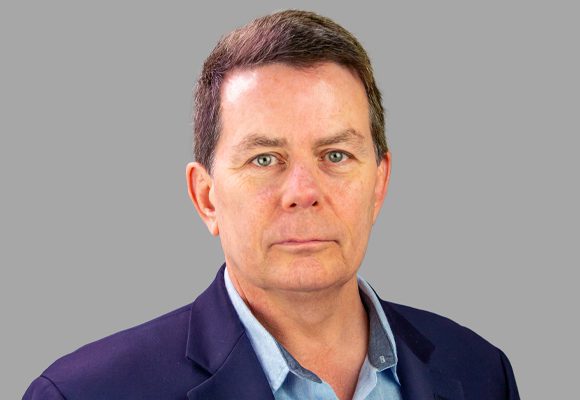
Mark Santschi
Senior Vice President & Director of Operations
Mark Santschi
Senior Vice President & Director of Operations
Industry and Civic Involvement
- ASME Industry Advisory Board
- United Way Tocqueville Society
- Institute of Electrical and Electronics Engineers
- University of Illinois Mechanical Engineering Alumni Board
Education
- B.S. in Mechanical Engineering from the University of Illinois at Urbana-Champaign
Professional Registrations
- Licensed Professional Engineer – Illinois, Michigan
Mark Santschi is responsible for the overall coordination of Sargent & Lundy’s infrastructure groups, including HR, Learning & Development, Facilities, Safety & Health, and all engineering and design processes and tools employed by the company. He provides strategic leadership for Sargent & Lundy’s construction management and electrical analytical services, as well as the firm’s project controls and cost estimating groups. He oversees the firm’s engineering and technical standards, and development of technical staff proficiency to serve the needs of the electric power industry.
Santschi joined Sargent & Lundy in 1986 and began his career performing I&C engineering activities for nuclear, coal, oil, and gas plant projects. His numerous project experiences include new generation and betterment services for both international and domestic clients and sites. During his tenure as a project director, he was responsible for diverse projects that included environmental retrofit, combustion turbine, and fossil and nuclear plant betterment projects, as well as for multiple client relationships throughout the United States.
In 2014, Santschi was appointed director of engineering with strategic responsibility over Sargent & Lundy’s engineering knowledge and capabilities infrastructure, and over the firm’s specialty engineering groups. In 2019 he was appointed director of operations.
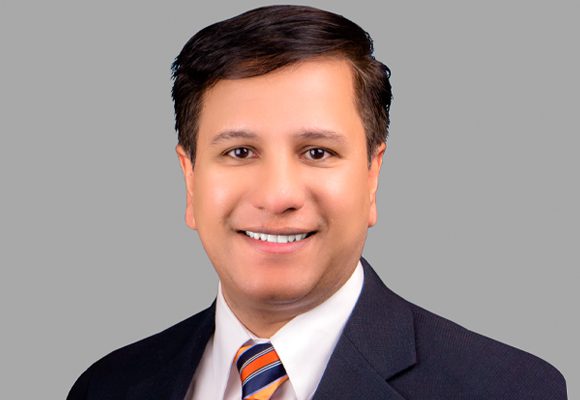
Shiven Sulkar
Executive Vice President & Chief Nuclear Officer
Shiven Sulkar
Executive Vice President & Chief Nuclear Officer
Industry and Civic Involvement
- American Nuclear Society
- Nuclear Energy Institute Supplier Advisory Board
- Nuclear Energy Institute Trade Advisory Sub-Committee
- Master of Energy Engineering Advisory Council, University of Illinois Chicago
- United Way Tocqueville Society
Education
- B.S. in Electrical Engineering from the University of Illinois Chicago
Professional Registrations
- Licensed Professional Engineer – Illinois, Michigan, Wisconsin
Shiven Sulkar is an executive vice president with more than 30 years of experience with Sargent & Lundy, focused primarily on nuclear power projects. He is the director of the firm’s nuclear power business and is responsible for the overall management of all nuclear new generation projects and nuclear services work performed by Sargent & Lundy.
During his tenure as a project director, Sulkar led the firm’s execution of major nuclear projects in both the U.S. and internationally, managing long-term relationships with multiple large clients. His project experience includes international and domestic new generation facilities, major plant upgrades, and major plant restart efforts, including specialized nuclear and related support facilities for the U.S. Department of Energy and its national labs. He was instrumental in developing the firm’s relationship with and supporting the U.S. State Department and the U.S. Department of Commerce.
Sulkar joined Sargent & Lundy in 1991 as an electrical engineer supporting engineering, design, and construction for nuclear power plants.
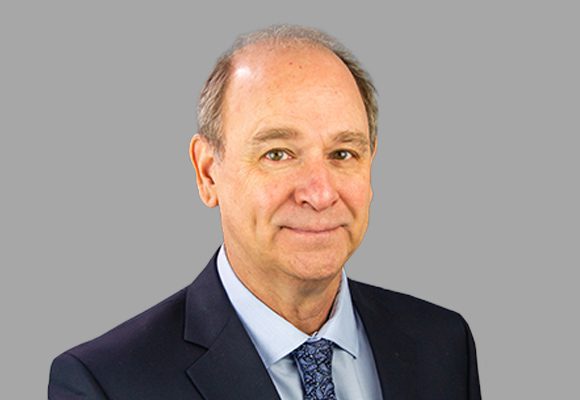
Dan Weinacht
Senior Vice President & Director of Government Services
Dan Weinacht
Senior Vice President & Director of Government Services
Industry and Civic Involvement
- ABET Engineering Accreditation Commissioner (EAC) and Member of EAC Executive Committee
- American Society of Mechanical Engineers
- United Way Tocqueville Society
Education
- B.S. in Mechanical Engineering from the South Dakota School of Mines & Technology
- M.S. in Mechanical Engineering from the University of Illinois at Urbana-Champaign
- Ph.D. in Mechanical Engineering from the University of Illinois at Urbana-Champaign
Professional Registrations
- Licensed Professional Engineer – Alabama, California, Idaho, Michigan, Nevada, New Mexico, Oklahoma, Pennsylvania, South Carolina, South Dakota, Tennessee, Texas, Virginia, Washington
- Certified Project Management Professional
Dan Weinacht manages Sargent & Lundy’s business efforts in public sector energy, defense, and environmental markets. With his oversight, the firm provides advanced technology solutions to these clients.
Weinacht is responsible for the firm’s government services business, which includes engineering and environmental management and national security operations services. Core competencies for this portion of the business include engineering and design; facility operations, management, and maintenance; specialty equipment design; project management; and safety, security, and risk management.
Weinacht joined Sargent & Lundy in January 2019 as part of the ARES acquisition. Prior to joining Sargent & Lundy, he was employed at Los Alamos National Laboratory for 14 years and ARES Corporation for over 20 years as a mechanical engineer, project manager, and executive manager. His experience includes programs and projects across the Department of Energy Complex, Department of Defense, NASA, and the nuclear power industry.
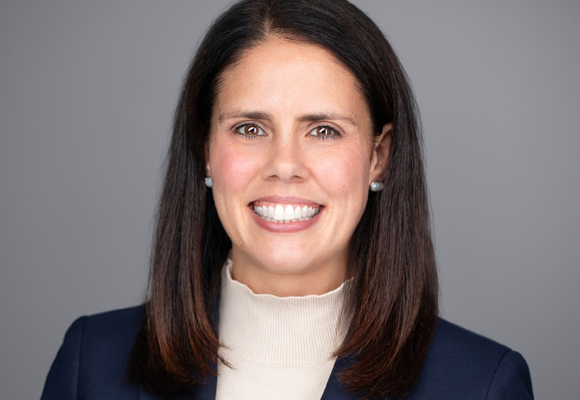
Meghan Wilhelm
Vice President, Human Resources
Meghan Wilhelm
Vice President, Human Resources
Education
- B.S. in Public Affairs; Major – Management from Indiana University, Bloomington, Indiana
Professional Registrations
- Professional in Human Resources – Human Resources Certification Institute
Meghan Wilhelm leads Sargent & Lundy’s human resources division. She oversees all HR functions at the firm, including talent management, benefits, compensation, and compliance. Additionally, she manages Sargent & Lundy’s employee concerns program.
Wilhelm joined the firm in 2005 as human resources generalist and advanced her career by supporting the business’ hiring and recruiting needs. She went on to assume responsibility for managing employee leaves of absence/FMLA and led HR’s implementation of an enterprise resource planning system. Additionally, she played a pivotal role in Sargent & Lundy’s historic acquisitions, as well as employee audits and claims, and international human resource management – all of which have helped the firm reach new heights in improving every stage of the employee lifecycle.
Wilhelm was promoted to lead the firm’s human resources team In August 2021. She currently serves on Sargent & Lundy’s Safety Council and Nuclear Safety Culture Council.
Our Legacy of Innovation
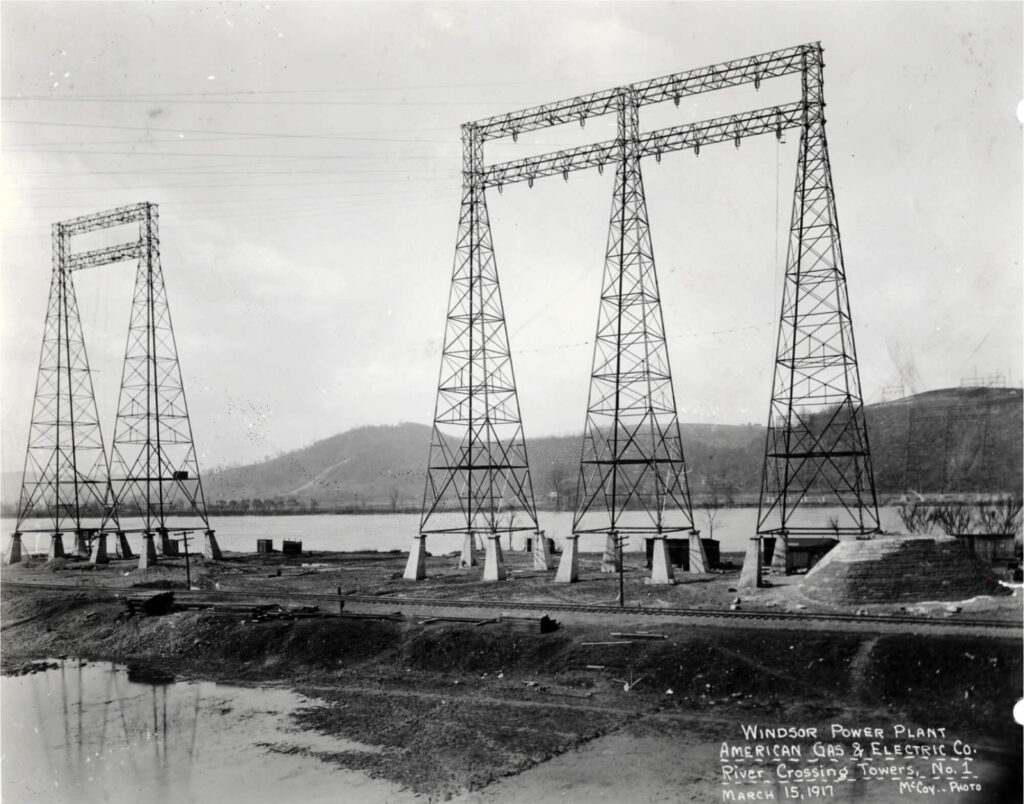
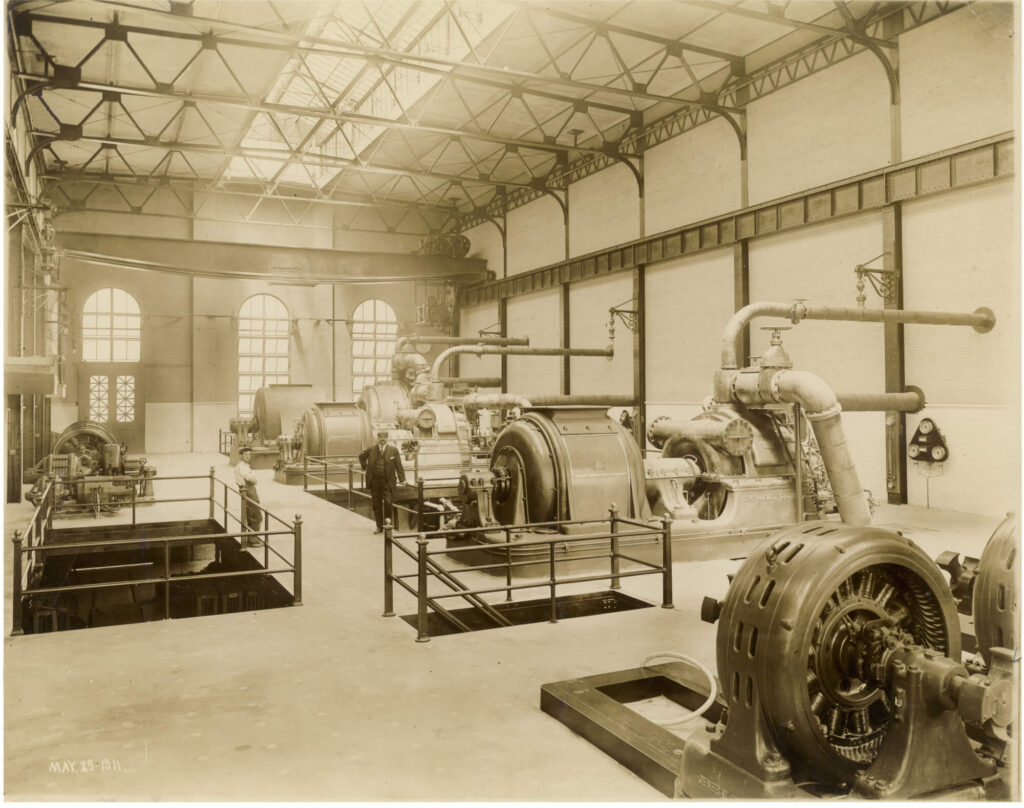
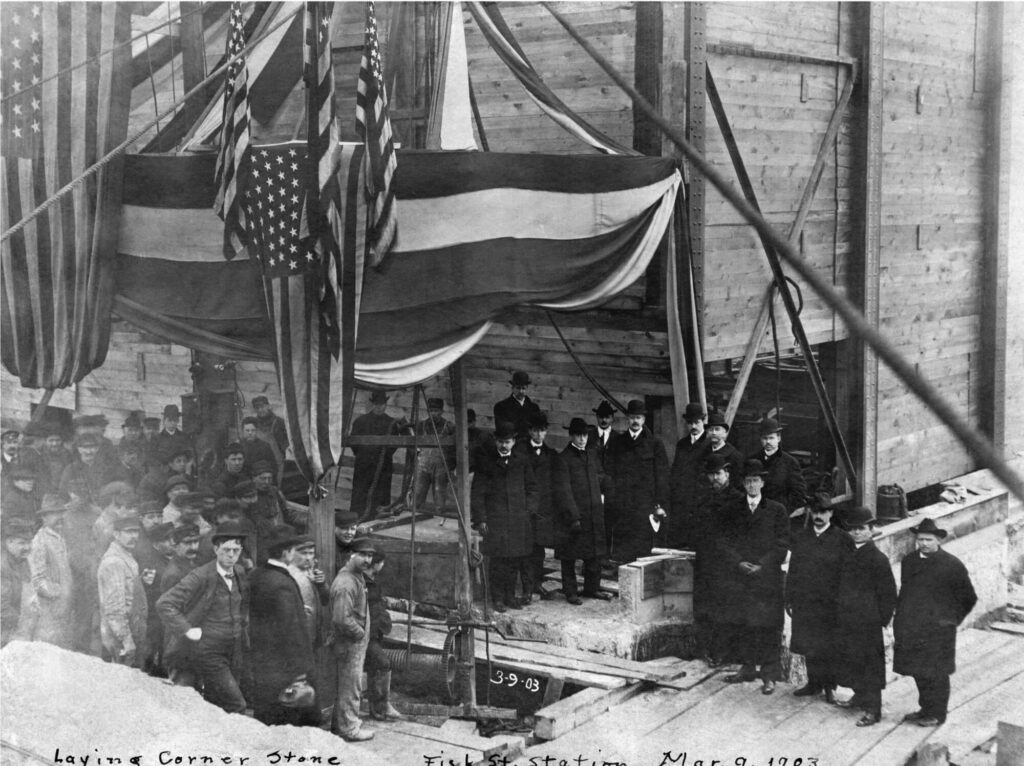
In 1891, Frederick Sargent and Ayres Lundy joined forces to electrify the world. Sargent & Lundy introduced electric lights at the World’s Columbian Exposition in 1893 and created the power generation and transmission projects that vastly influenced and advanced the electric power industry of the time.
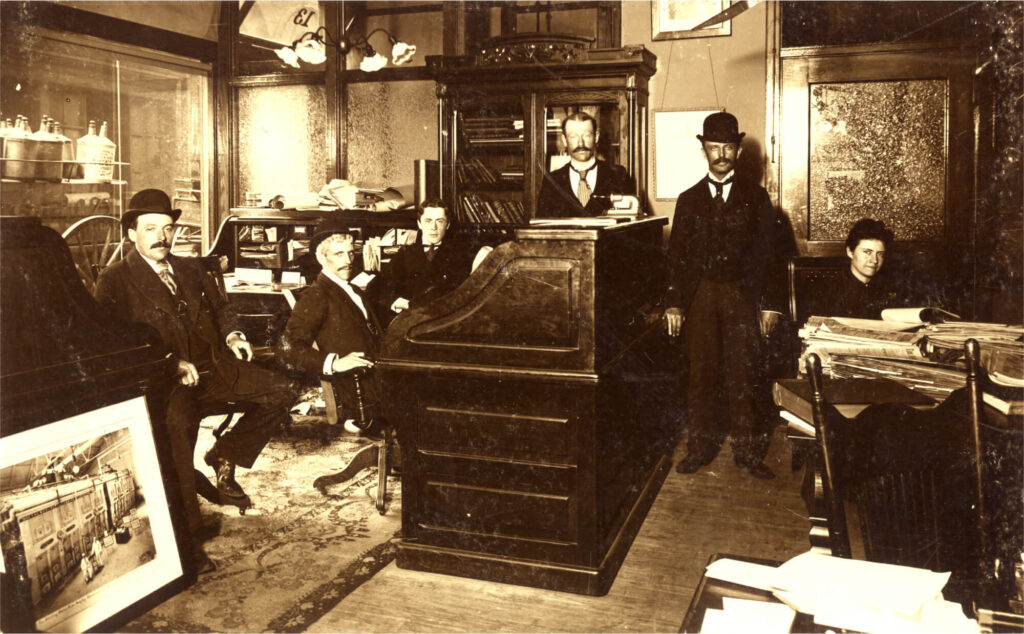
But Power Was Just the Beginning…
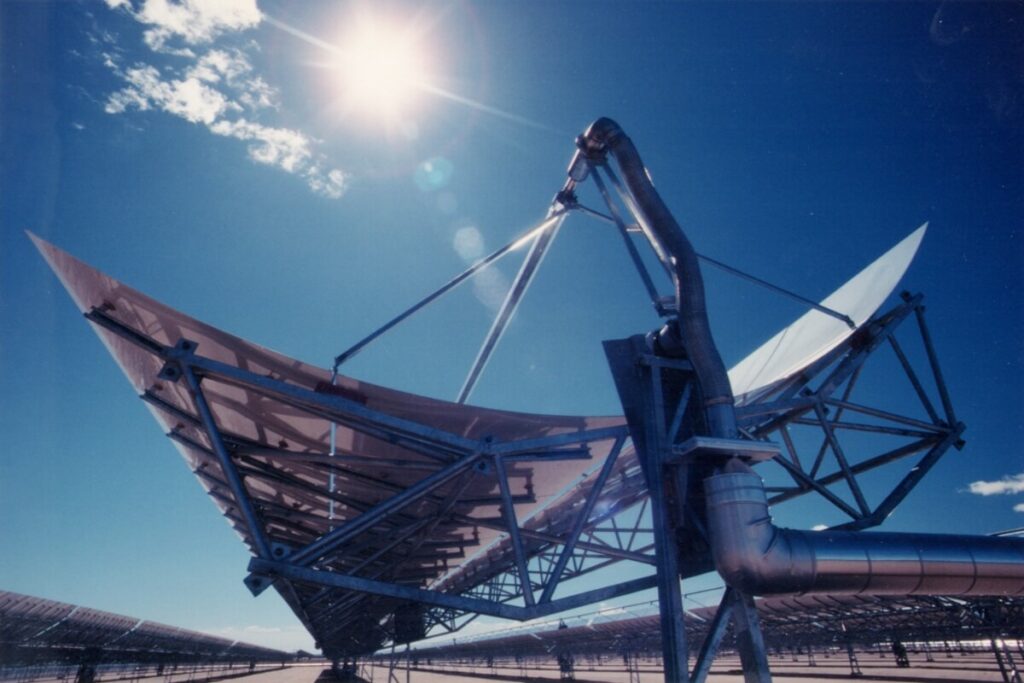
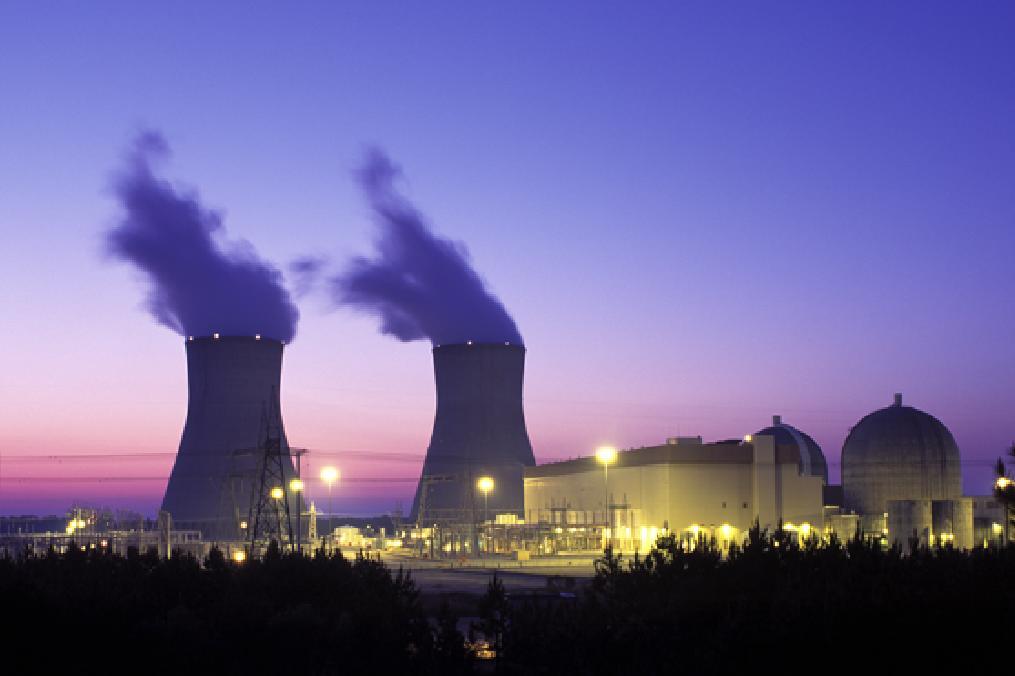
In the years that followed, we’ve played a role in nearly every major advancement of the growing power industry. We pioneered the nuclear age and designed some of the first commercial nuclear power plants. We innovated renewable energies by bringing some of the world’s largest solar thermal plants online. And we engineered thousands of circuit miles of power delivery systems. Every milestone was created by bold explorations of new technologies by our talented engineers.
Over 13 Decades Later, We Have a Legacy Like No Other
We still serve our first client, a relationship that spans 132 years. And over the years, we have served 2,000 more. Our global reach includes over 100 countries, and we deliver projects from more than 30 office locations. Our business continues to grow, and we keep attracting the best talent in the industry to solve our clients’ most pressing challenges.
We Bring About the Future
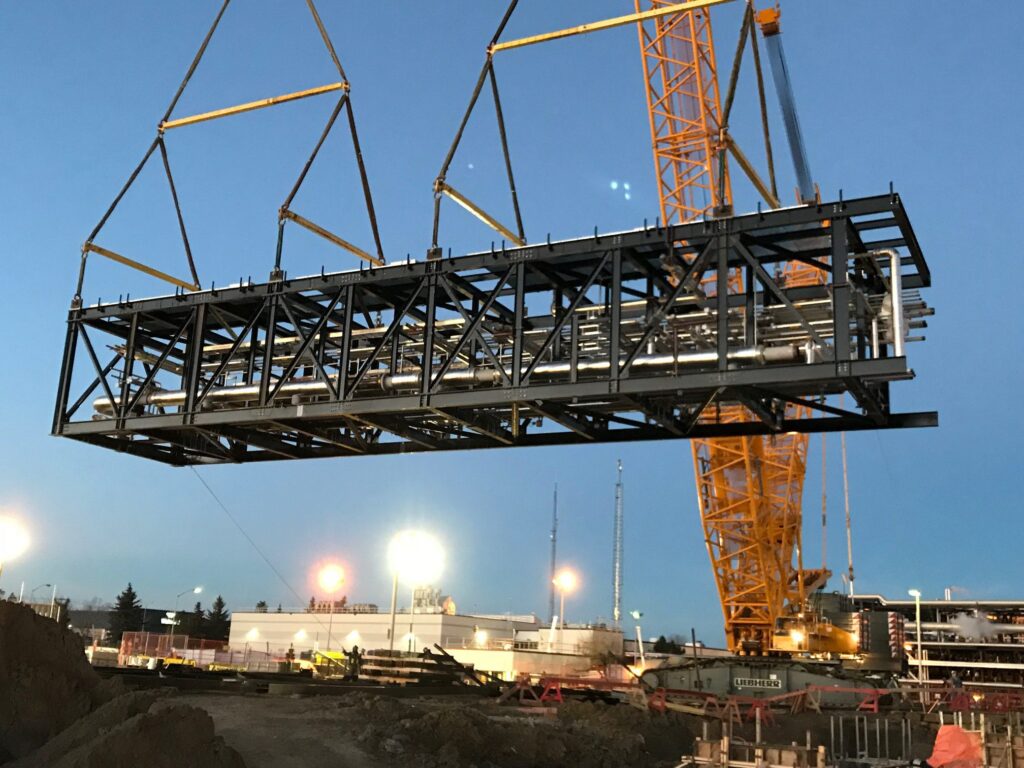
We stay at the forefront of today’s opportunities in advanced nuclear power, decarbonization, smart grids, battery energy storage systems, hydrogen applications, electric transportation grids, digital modernization, and more. Most recently, we’ve expanded to serve the oil and gas, national security operations, and engineering and environmental management markets.
Sustainability
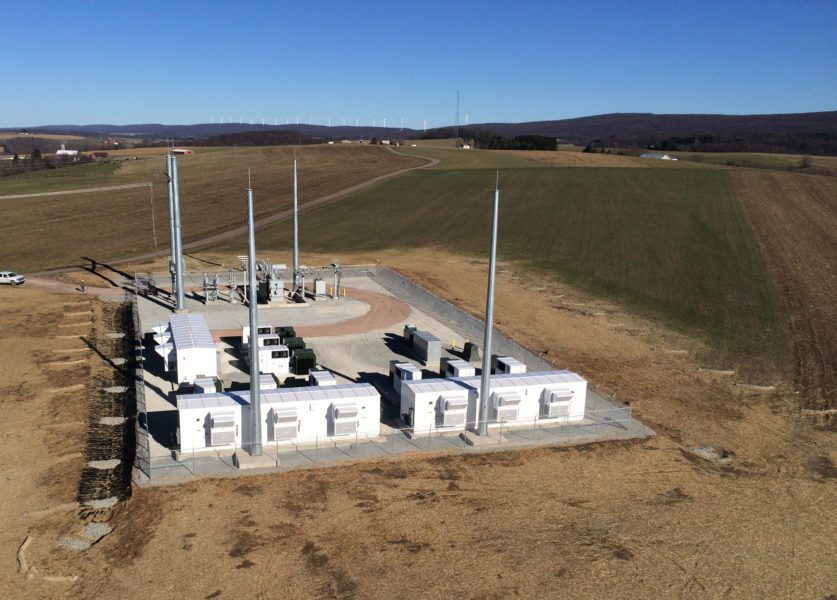
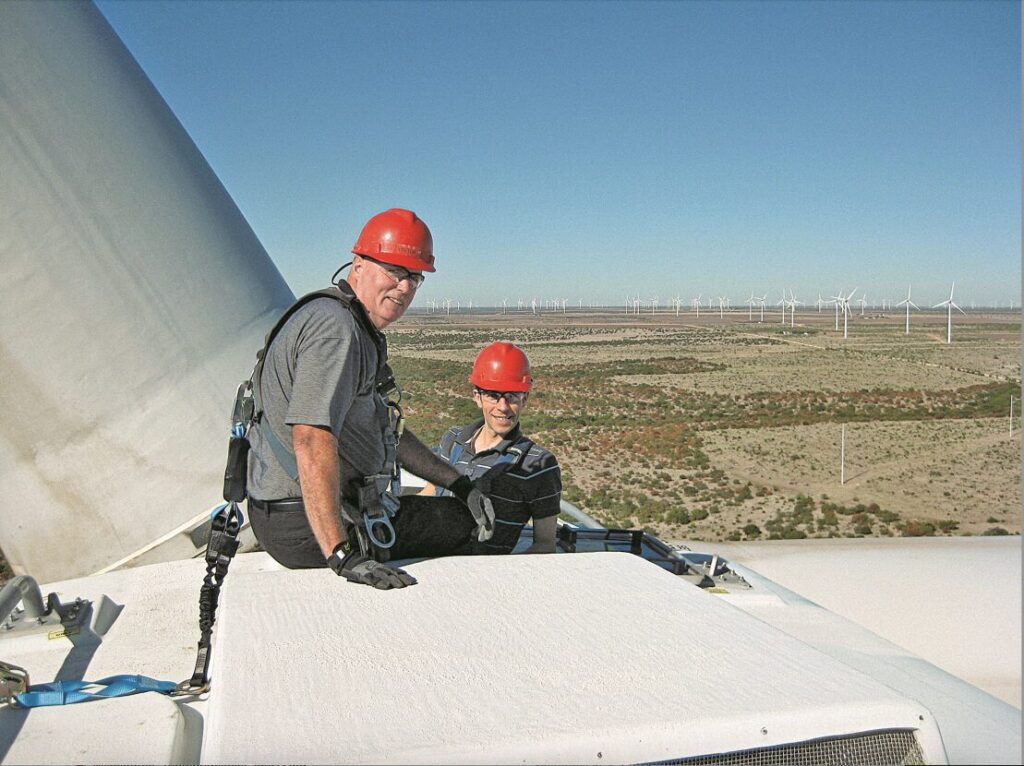
Our resolve in assuring the highest sustainability standards is on display in our work, practiced by our people, and embedded in our values. We are a pioneer in the integration of thousands of megawatts of renewable wind, solar, and other carbon-free energy into the grid. We have innovated and enhanced new technology to aggressively decarbonize power generation and other industries through hydrogen production and combustion, carbon capture, and direct air capture systems designed to make a meaningful impact by helping our communities meet their net-zero goals.
Independently Verified Standards
We make sure our workspaces meet independently verified energy efficiency and air quality standards. Access to public transportation is a major factor when we choose new office locations, and we encourage employees to walk, bike, or ride public transportation to the office.
Sustainability Advisory Council
To demonstrate our commitment and increase transparency around our sustainable practices, we’ve established a sustainability advisory council comprised of employees from every part of our business. The council actively establishes goals and promotes policies to cut energy and fuel use, reduce our water consumption, and divert items from the waste stream. Their efforts are reported every year in our annual sustainability report.
Since 2020, we have eliminated over 100,000 water bottles through the installation of water stations, recycled over 6,000 pounds of coffee packaging, and diverted 40,000 square feet of used carpet and other office furniture and equipment from landfills. We partner with vendors and local charities to donate computers, office equipment, and furniture to support affordable housing and education in underserved areas.

Our work has earned high marks from the independent Electric Utility Industry Sustainability Supply Chain Alliance, and we’re proud of our progress in making a positive impact on the world.
We’re Hiring!
We are innovators taking on today’s complex challenges to meet the future’s needs. We have hundreds of job openings for both technical and functional roles. See what we have to offer.